
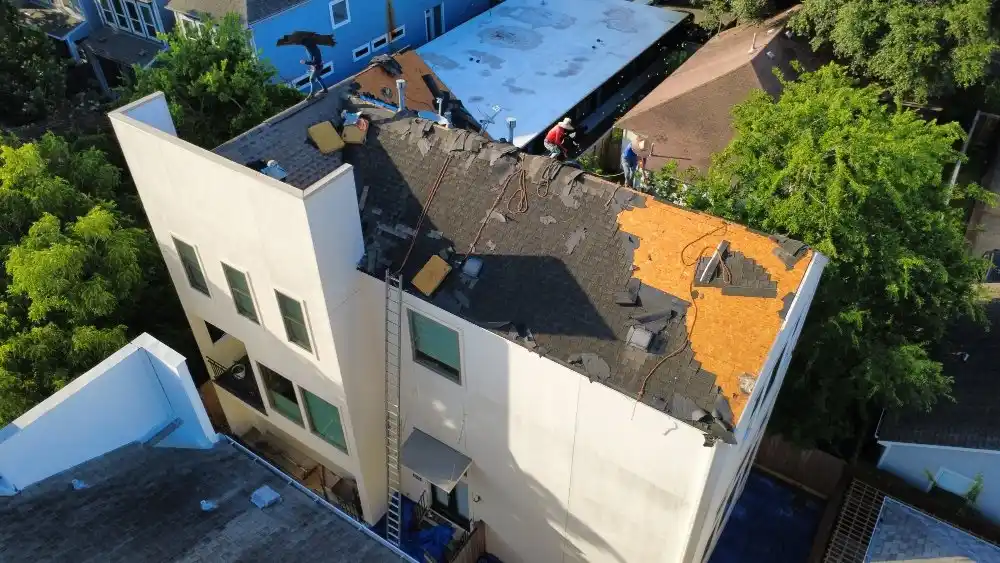
The Complete Guide to Roof Inspections After a Hail Storm in Greater Houston
A hailstorm has passed, the roof looks normal from the lawn, and there are no water stains inside the house. Do you still need an inspection?
Possibly. A lack of visible damage or immediate leaks does not prove that the roofing system escaped the storm without impact. On asphalt shingles, hail can displace protective granules, bruise the asphalt layer, or fracture the fiberglass mat beneath the surface. Damage around flashing, vents, gutters, and other metal components may also be difficult to see from the ground.
A professional roof inspection after hail storm conditions helps determine whether the roof has functional damage, cosmetic marks, normal aging, or no meaningful storm damage at all. The goal is an objective assessment—not an automatic recommendation for replacement.
When to Schedule a Roof Inspection After a Hail Storm
Schedule an inspection once the weather has cleared and the property can be accessed safely. There is no benefit to climbing onto a wet roof immediately after a storm, and homeowners should avoid walking on the roof themselves. Owens Corning recommends inspecting for visible storm damage from a safe location and contacting a professional contractor when damage is suspected.
Prompt inspection matters for two practical reasons:
- Roof damage can worsen over time. A fractured or bruised shingle may not produce an immediate ceiling leak but can become more vulnerable to water intrusion and continued weather exposure.
- Insurance policies contain specific conditions. Notice requirements, deductibles, coverage limits, and claim procedures depend on the individual policy. Greater Houston homeowners should review their policy and contact their insurance company when documented damage may justify a claim.
Can Small or Pea-Sized Hail Damage a Roof?
Hail size is important, but it is not the only factor. Pea-sized hail is less likely to cause significant roofing damage than large hail under ordinary conditions. However, the National Weather Service notes that smaller hail driven by strong thunderstorm winds can still damage shingles or siding in some circumstances.
The outcome also depends on:
- Wind speed and impact angle
- Duration and density of the hail
- Age and condition of the roof
- Shingle type and impact resistance
- Roof slope and orientation
- Whether the shingles were already brittle, blistered, or worn
For that reason, hail size alone should not determine whether an inspection is necessary.
Roof Inspection After Hail Storm: What Does a Professional Inspection Include?
A proper hail damage roof inspection involves more than standing in the driveway or looking at a few shingles near the ladder.
The inspector should examine the entire roofing and drainage system, documenting observed conditions on different slopes and roof sections. When appropriate, an inspector may establish test squares—commonly measured areas on individual roof slopes—to identify and count possible hail impacts consistently. Haag’s assessment methodology uses test areas to examine shingles for bruising, breaks, soft spots, and other impact-related conditions.
A practical hail damage roof inspection checklist may include:
- Asphalt shingles and architectural shingles
- Hip and ridge shingles
- Roof valleys
- Drip edge
- Pipe jacks and roof penetrations
- Roof vents
- Chimney flashing and valley flashing
- Skylights
- Gutters and downspouts
- Other soft-metal components
- Attic or interior areas when water intrusion is suspected
- Photo documentation of relevant findings
The inspector should also look for a logical impact pattern. Genuine hail impacts are typically distributed according to the storm direction, exposed roof slopes, and surrounding conditions. Marks caused by foot traffic, tools, tree contact, heat blistering, and ordinary aging may form different patterns.
Structural Signs of Hail Damage: What Inspectors Look For
1. Shingle Bruising and Fractures
On asphalt shingles, hail may create round or irregular impact marks. Some marks are visible as dark areas where granules have been displaced. Others require careful hand examination.
A bruised area may feel soft when pressed because the impact has damaged the asphalt layer or fractured the underlying fiberglass mat. Inspectors may also find cracks, punctures, splits, or seal-strip damage.
Owens Corning identifies small divots, round dark areas, bruising, and protective granule loss among the possible signs of hail damage on asphalt shingles.
The important distinction is whether the mark affects the shingle’s expected service life or water-shedding ability. Haag describes functional damage as damage that reduces the roofing material’s water-shedding capability or expected service life. A surface mark that does not affect performance may be evaluated differently from a fracture through the shingle reinforcement.
2. Severe Granule Loss
Mineral granules protect the asphalt layer from direct ultraviolet exposure and give the shingle its finished surface. Some granule loss is normal, especially as a roof ages or after new shingles have recently been installed.
Hail-related granule displacement tends to appear around individual impact locations. Homeowners may also notice increased shingle granules collecting in gutters or washing from downspouts after a storm. Owens Corning lists granule loss and granules collecting in the drainage system among the possible indicators of roof hail damage.
However, granules in the gutter do not automatically prove hail damage. Inspectors must distinguish impact-related displacement from:
- Normal aging
- Heat blistering
- Manufacturing variations
- Foot traffic
- Mechanical scraping
- Long-term weathering
Granule loss becomes more concerning when it accompanies bruising, fractures, exposed asphalt, or a consistent hail impact pattern. Engineering guidance also cautions that granule displacement alone may not represent significant functional damage unless the shingle reinforcement has been fractured or ruptured.
3. Flashing, Vents, and Soft-Metal Components
A thorough roof inspection for hail damage should include more than the shingles. Inspectors examine soft-metal components because they may preserve clear evidence of the storm’s direction and impact intensity.
Common inspection points include:
- Pipe-jack covers
- Roof vents
- Chimney flashing
- Valley flashing
- Drip edge
- Metal caps
- Gutters and downspouts
- Skylight frames
- Air-conditioning condenser fins near the home
Dents, hail spatter, chipped coatings, or impact marks on these items are sometimes referred to as collateral damage. Collateral marks do not automatically establish functional shingle damage, but they help the inspector understand whether hail reached the property and how the storm affected different elevations and roof slopes.
Hail Damage vs. Other Roof Issues: Avoid Common Misconceptions
Not every dark mark or missing granule is fresh hail damage. One of the most important benefits of a professional roof inspection after hail is distinguishing storm-related impacts from unrelated conditions.
Heat blistering occurs when moisture or gases within the shingle expand and create raised areas that may eventually break open. Blister damage can leave exposed asphalt and may resemble an impact mark from a distance.
Other commonly confused conditions include:
- Normal granule erosion
- Foot-traffic scuffing
- Tool marks
- Manufacturing defects
- Tree-branch abrasion
- Thermal cracking
- Wind-lifted or creased shingles
Hail impacts are evaluated by their shape, depth, distribution, surrounding granule displacement, roof-slope orientation, and whether the underlying shingle mat is bruised or fractured. A qualified inspector should document observed conditions rather than labeling every imperfection as storm damage.
Navigating the Texas Homeowners Insurance Process Safely
A contractor can inspect and document physical conditions, but the insurance company determines coverage under the policy.
After suspected roof damage after hail, Greater Houston homeowners should:
- Photograph visible property damage safely. Include damaged gutters, downspouts, siding, windows, outdoor equipment, and interior water stains.
- Record the storm date. Preserve weather alerts, photographs, and other information that may help establish the reported date of loss.
- Review the policy and deductible. Wind and hail deductibles may differ from other deductibles and may be expressed as a percentage of the insured value.
- Arrange a professional inspection. Request clear photo documentation and a written description of the observed conditions.
- Contact the insurance carrier when appropriate. Follow the insurer’s reporting and inspection procedures.
- Avoid permanent repairs until documentation is complete, unless immediate work is necessary to prevent additional damage. Keep receipts and photographs for temporary protective measures.
A contractor’s inspection report can help establish a clear repair scope before or alongside the insurance adjuster’s inspection. It does not guarantee coverage, claim approval, or full roof replacement.
Texas homeowners must also pay their applicable deductible. The Texas Department of Insurance states that contractors may not legally waive the deductible or help a homeowner avoid paying it.
Frequently Asked Questions
How soon after a hail storm should I get my roof inspected?
Schedule the inspection after the storm has passed and safe access is possible. Prompt documentation can help identify damage before continued weather exposure makes the roof’s condition harder to evaluate. Check your insurance policy for its specific notice and claim requirements.
Do I need an inspection if the roof looks fine from the ground?
An inspection may still be appropriate after significant hail. Bruised shingles, localized fractures, granule displacement, seal-strip damage, and flashing impacts may not be visible from the lawn. The absence of an immediate leak also does not rule out roof damage after hail.
What does hail damage look like on asphalt shingles?
Possible signs include circular dark spots, divots, localized granule displacement, bruised shingles, soft areas, cracks, and fractures in the fiberglass mat. The inspector must distinguish these marks from heat blistering, aging, foot traffic, and other non-hail conditions.
What does a professional hail damage roof inspection include?
A storm damage roof inspection typically includes the shingles, roof slopes, valleys, ridge materials, flashing, vents, pipe jacks, drip edge, gutters, downspouts, and other soft-metal components. It should also include photo documentation and, when appropriate, test squares on multiple roof slopes.
Should I call a roofer or my insurance company first after hail?
You may contact either first. A reputable contractor can document the property’s physical condition, while the insurance carrier explains policy coverage and claim procedures. When damage is suspected, timely communication with both can help establish a clearer record. Neither the contractor nor the inspection can guarantee the insurer’s decision.
Schedule a Trusted Greater Houston Roof Inspection
A professional roof inspection after hail storm conditions should determine what actually happened—not assume that every roof needs replacement or that a roof without leaks is undamaged.
The inspector should evaluate the asphalt shingles, impact patterns, fiberglass mat, flashing, roof penetrations, gutters, downspouts, and other collateral indicators before preparing a documented assessment.
TXN Home Services provides detailed hail damage roof inspections in Greater Houston. As an Owens Corning Preferred Contractor, our professionally trained and insured team documents roof and roofline conditions and explains the practical repair options based on what the inspection reveals.
Call or text TXN Home Services at 346-460-9199 or visit TXNHomeServices.com to schedule a free roof and roofline evaluation.