
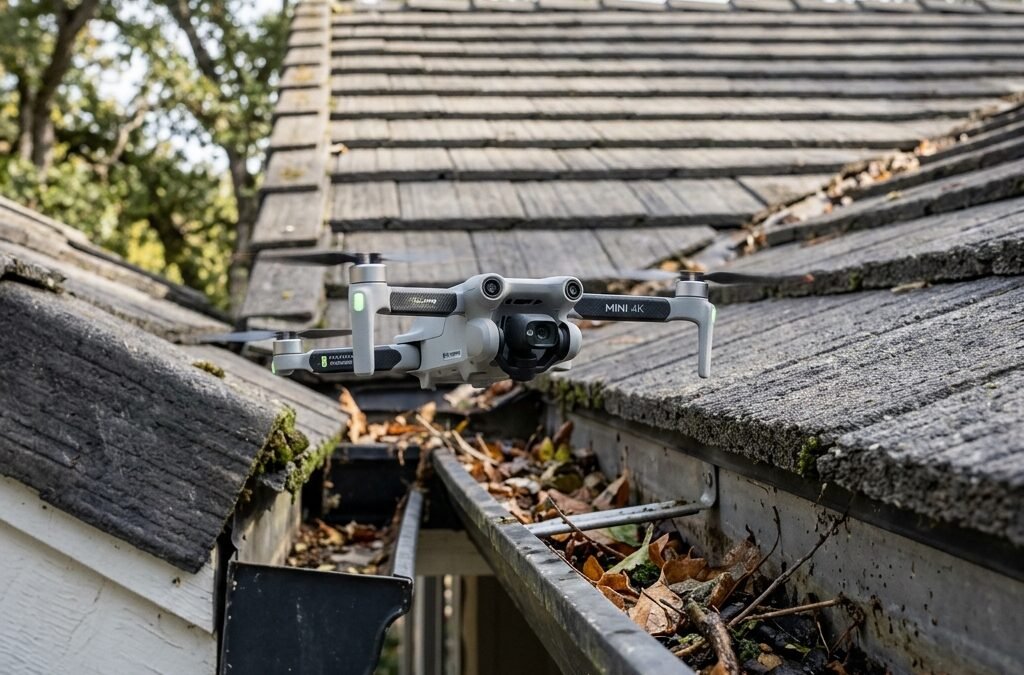
If your home is surrounded by pine trees, you’ve probably noticed that pine needles behave very differently from typical leaves. Instead of falling in large pieces that are easier to remove, pine needles are thin, lightweight, and often collect in layers inside your gutters. Over time, this buildup can slow water flow, contribute to clogs, and increase the amount of maintenance your gutter system requires.
For many Texas homeowners, especially in communities such as The Woodlands, Kingwood, Spring, Conroe, and other heavily wooded areas, keeping gutters clear throughout the year can become an ongoing challenge.
As a result, many homeowners begin searching for the best gutter guards for pine needles, hoping to reduce maintenance while allowing rainwater to drain properly during Texas storms. However, not every gutter guard is designed to perform well under the combination of pine needles, heavy rainfall, high humidity, and seasonal debris that many parts of Texas experience.
Understanding why pine needles create unique drainage challenges—and what features to look for in a gutter protection system—can help homeowners make a more informed decision before investing in any type of gutter guard.
Why Pine Needles Are One of the Biggest Challenges for Gutters
Unlike large leaves that often sit on top of a gutter until they dry or are washed away, pine needles behave differently once they reach the roofline.
Their narrow shape allows them to slide easily into gutters, where they tend to overlap and interlock with one another. As additional debris such as seed pods, oak leaves, roof granules, or small twigs collects, the pine needles can begin forming dense mats that restrict water movement.
Texas weather can make this problem even more noticeable. Strong winds may carry pine needles onto the roof throughout the year, while sudden thunderstorms can wash large amounts of debris into the gutter system in a short period of time.
Some common issues caused by pine needle buildup include:
- Reduced water flow through gutters and downspouts.
- Standing water inside the gutter system.
- Increased maintenance and cleaning frequency.
- Overflow during periods of heavy rainfall.
- Moisture remaining against fascia boards for extended periods.
Although pine needles may appear lightweight individually, thousands of them collecting together can significantly affect how efficiently a gutter system manages rainwater.
Why Some Gutter Guards Struggle with Pine Needles
Many homeowners assume that installing any gutter guard will completely eliminate future maintenance. In reality, the effectiveness of a gutter protection system depends on several factors, including the type of debris around the home, local weather conditions, roof design, and the quality of the installation.
Pine needles present a unique challenge because of their size and shape.
Some gutter protection systems use larger openings that allow rainwater to enter easily but may also allow thin debris such as pine needles to pass through. Other designs rely on curved surfaces or inserts that can perform differently depending on rainfall intensity, roof pitch, and surrounding tree coverage.
It’s also important to understand that no gutter guard completely eliminates maintenance under every condition. Even high-quality systems typically benefit from periodic inspections to ensure that debris has not accumulated on top of the guard or around roof valleys, downspouts, or other drainage points.
Rather than asking whether gutter guards stop pine needles completely, a better question is:
Which gutter guard design is best suited for the type of trees, rainfall, and roof configuration around my home?
Answering that question requires looking beyond marketing claims and focusing on how different systems manage both water flow and debris throughout the year.
What Makes a Gutter Guard Effective for Pine Needles?
When evaluating different gutter protection systems, homeowners should focus on performance characteristics rather than advertising claims or product names.
A gutter guard that performs well around pine trees is typically designed to manage two challenges at the same time:
- Keeping small debris from entering the gutter.
- Allowing large volumes of rainwater to flow into the system efficiently.
Several design features can contribute to better long-term performance.
Fine Mesh Openings
One of the most important characteristics is the size and consistency of the openings across the guard.
Because pine needles are much thinner than broad leaves, larger openings may allow them to enter the gutter more easily. Fine stainless-steel micro-mesh designs are commonly selected for environments where smaller debris is a concern because they are intended to reduce the amount of material entering the gutter while still allowing water to pass through.
The effectiveness of any mesh system, however, also depends on proper installation and ongoing maintenance.
Durable Construction Materials
Texas weather exposes exterior building materials to intense sunlight, heavy rain, high humidity, and frequent temperature changes.
For that reason, homeowners often consider corrosion-resistant materials that are designed for long-term outdoor exposure. Stainless steel mesh combined with a durable support structure is commonly used because it offers strength while helping resist rust and deterioration over time.
Choosing a well-built product is only one part of the equation. The overall performance of the system also depends on how well it integrates with the existing gutter system and roofline.
Why Heavy Rain Matters Just as Much as Pine Needles
While pine needles are one of the primary reasons homeowners consider gutter protection, they are only part of the equation. In Texas, rainfall intensity can have just as much impact on gutter performance as the debris itself.
Many areas across Greater Houston regularly experience sudden downpours that produce large volumes of water in a short period of time. During these storms, a gutter guard must do two jobs simultaneously:
- Allow rainwater to enter the gutter efficiently.
- Prevent debris from restricting water flow.
If a gutter guard cannot keep up with heavy rainfall, water may overshoot the gutter, spill over the front edge, or back up along the roofline. However, overflow is not always caused by the gutter guard itself.
Several factors influence how well a gutter system performs during heavy rain, including:
- Roof size and slope.
- Gutter size and capacity.
- Downspout size and placement.
- Roof valleys that concentrate water into one section.
- The overall condition of the gutter system.
- Professional installation and proper alignment.
Because every home is different, the best gutter guard for pine needles and heavy rain is not necessarily the same for every property. A system that performs well on one home may not provide the same results on another if the roof design or drainage layout is different.
How to Choose the Right Gutter Guard for Your Home
Rather than selecting a gutter guard based solely on advertising or online reviews, homeowners should evaluate how well the system matches the specific conditions around their home.
A few important questions can help narrow down the right solution.
How many pine trees surround the home?
A property with only a few scattered trees will experience different debris patterns than a home located in a densely wooded neighborhood.
How steep is the roof?
Roof pitch affects how quickly rainwater travels toward the gutters. Steeper roofs often deliver water at a higher speed during storms, making proper gutter design even more important.
How much roof area drains into each gutter?
Large roof sections and roof valleys can direct significant amounts of water into a single gutter run. In these situations, gutter size, downspout capacity, and gutter guard design all work together to manage water effectively.
What condition are the existing gutters in?
Installing gutter guards on damaged, loose, or improperly sloped gutters may not solve existing drainage problems. Before adding any type of gutter protection, the gutter system should be inspected to ensure it is securely fastened, properly aligned, and free from structural issues.
Taking these factors into account helps homeowners choose a gutter protection system based on performance rather than marketing claims.
Common Installation Mistakes That Can Reduce Performance
Even a high-quality gutter guard can underperform if it is not installed correctly.
Professional installation plays an important role in how efficiently water enters the gutter while debris remains on top of the system.
Some of the most common installation issues include:
- Installing gutter guards on gutters that already have improper pitch.
- Failing to repair loose or damaged gutters before installation.
- Poor alignment between the roof edge and the gutter guard.
- Inadequate fastening that allows movement over time.
- Ignoring roof valleys where water volume is significantly higher.
- Installing gutter protection without evaluating downspout capacity.
These issues may contribute to drainage problems regardless of which gutter guard design is selected.
For that reason, many contractors recommend inspecting the entire gutter system before installing any type of gutter protection.
Maintenance Expectations
One of the most common misconceptions about gutter guards is that they eliminate maintenance entirely.
In reality, every exterior drainage system benefits from periodic inspections.
Although a properly installed gutter guard can significantly reduce the amount of debris entering the gutter, homeowners should still inspect their gutters periodically—especially after severe storms, high winds, or seasonal changes.
Routine inspections may include:
- Checking for debris accumulation on top of the guard.
- Confirming that downspouts remain clear.
- Looking for storm damage or loose fasteners.
- Ensuring water continues to flow properly during rainfall.
Regular maintenance helps identify small issues before they become more expensive repairs and helps maximize the long-term performance of the entire gutter system.
Frequently Asked Questions
Do gutter guards stop pine needles completely?
No gutter guard can guarantee that every pine needle will be kept out under every condition. However, properly selected and professionally installed gutter protection systems can significantly reduce the amount of pine needles and other debris entering the gutter compared to an uncovered system.
What gutter guard works best for pine needles?
The right choice depends on several factors, including the amount of surrounding tree coverage, roof design, rainfall intensity, gutter size, and installation quality. Fine stainless-steel micro-mesh systems are commonly used in areas where smaller debris such as pine needles is a concern.
Can heavy rain affect gutter guard performance?
Yes. Heavy rainfall places additional demand on the entire drainage system. Gutter size, roof pitch, downspout capacity, and installation quality all influence how efficiently water moves through the system during storms.
Are gutter guards maintenance free?
No. While gutter guards can reduce the amount of debris entering the gutters, periodic inspections and occasional maintenance are still recommended to help ensure long-term performance.
How often should gutter guards be inspected?
Many contractors recommend inspecting gutter systems at least once or twice each year, as well as after major storms or unusually heavy rainfall. Homes surrounded by mature trees may benefit from more frequent inspections depending on local conditions.
Final Thoughts
Choosing the best gutter guards for pine needles involves more than comparing product features. Every home has unique conditions that influence how well a gutter protection system performs, including surrounding trees, roof design, rainfall intensity, gutter size, and the condition of the existing drainage system.
Rather than looking for a one-size-fits-all solution, homeowners should focus on selecting a gutter protection system that matches their property’s specific needs and is installed as part of a properly functioning gutter system.
When combined with appropriate gutter sizing, correct installation, and routine inspections, a well-designed gutter protection system can help reduce maintenance, improve water management, and support the long-term performance of your home’s exterior drainage system.
Need Help Choosing the Right Gutter Protection System?
Every home is different. The surrounding trees, roof design, gutter size, and rainfall exposure all play a role in determining which type of gutter protection is the best fit.
If you’re unsure which option is right for your home, TXN Home Services offers free gutter inspections throughout the Greater Houston area. We’ll evaluate your existing gutter system, identify any drainage issues, and explain your options so you can make an informed decision—without pressure or unnecessary recommendations.
Request your free inspection today or contact our team to learn more about gutter protection solutions designed for Texas homes.
346-460-9199
