
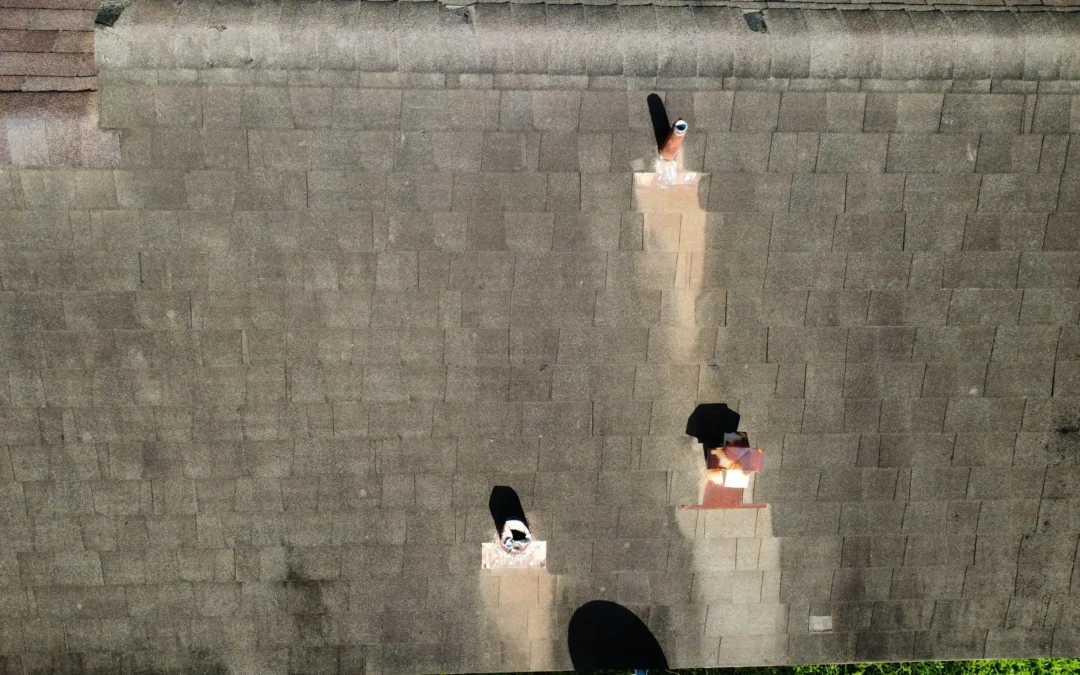
A roof tune-up is preventative maintenance performed on a roof that is generally still structurally sound, while a roof repair corrects a specific failure that has already occurred. Tune-ups focus on resealing penetrations, securing fasteners, correcting minor flashing issues, and maintaining shingles. Repairs address active leaks, storm damage, broken materials, or deteriorated decking.
Understanding roof tune up vs roof repair can help Greater Houston homeowners avoid replacing an otherwise serviceable roof simply because several maintenance items need attention.
It can also prevent the opposite mistake: treating an active leak or structural problem as routine maintenance when a true repair is necessary.
What Exactly Is a Roof Tune-Up?
A roof tune-up is a systematic maintenance service intended to correct small vulnerabilities before they develop into larger water-infiltration problems.
It is most appropriate when the roof covering, decking, and major flashing systems remain in generally serviceable condition.
What Is Included in a Roof Tune-Up?
The exact scope depends on the roof, but a professional roof tune up Houston homeowners request may include:
- Resetting backed-out fasteners or nail pops
- Properly sealing exposed fastener heads where appropriate
- Inspecting plumbing vent boots and the pipe jack collar
- Resealing compatible roof penetrations
- Securing loose step flashing around roof-to-wall transitions
- Checking chimney counter flashing
- Re-adhering suitable loose shingle tabs
- Inspecting asphalt shingle adhesion and the factory self-seal strip
- Removing light debris from valleys and drainage paths
- Checking ridge caps, roof vents, and other exposed details
The goal is not to make an aging roof “like new.” Proper roof maintenance Houston homeowners schedule is intended to restore vulnerable seals and help reduce the risk of avoidable leaks.
What Qualifies as a Targeted Roof Repair?
A roof repair is corrective work performed when a roofing component has already failed, broken, shifted, or allowed water into the roofing system.
The scope is usually concentrated around the damaged area, although inspection may reveal additional related problems.
Common Situations That Require Roof Repair
A targeted roof repair inspection may identify conditions such as:
- Active ceiling dripping or recurring interior water stains
- Missing shingles after a severe wind event
- Creased, torn, or lifted shingles that cannot simply be re-adhered
- Failed plumbing vent flashing
- Punctured or heavily corroded flashing
- Incorrectly installed valley flashing
- Failed roof-to-wall flashing
- Wet or deteriorated plywood
- Localized decking rot
- Storm-related punctures or impact damage
Once water infiltration has damaged the roof deck, replacing deteriorated wood may be necessary before shingles and flashing can be properly restored.
A tune-up should not be used to hide structural deterioration with additional sealant.
Roof Tune-Up vs. Targeted Roof Repair
Here is the practical difference:
| Factor | Roof Tune-Up | Targeted Roof Repair |
|---|---|---|
| Primary Purpose | Preventative maintenance | Correct an existing failure |
| Typical Trigger | Aging sealant, nail pops, minor loose flashing, maintenance concerns | Active leak, missing shingles, damaged flashing, rotten decking |
| Scope | Multiple minor maintenance points across a serviceable roof | Localized correction of damaged roofing components |
| Water Intrusion | Usually no known major active leak | Often associated with an existing or suspected leak |
| Roof Longevity | Helps extend functional service life when the roof is otherwise healthy | Restores a damaged section so the existing roof can continue performing where appropriate |
| Best Time to Schedule | Periodically, before storm season, or after several years without inspection | As soon as damage or water intrusion is discovered |
The most important part of the roof tune up vs roof repair decision is determining whether the problem is maintenance-related or represents actual material failure.
Why Southeast Texas Roofs Benefit From Regular Tune-Ups
Houston roofing systems operate in a difficult environment.
Roof surfaces and roof decks can experience temperatures in the range of roughly 140°F to 160°F during intense summer conditions, followed by sudden Gulf Coast downpours that cool exposed roofing materials quickly.
Thermal Movement and Nail Pops
Roof decking, shingles, fasteners, flashing, and plumbing penetrations respond differently to heating and cooling.
Repeated thermal expansion can contribute to fasteners gradually backing upward. A raised nail can lift a shingle or create a small opening that becomes vulnerable during heavy rain.
Sealant and Rubber Deterioration
Houston’s UV exposure and heat can cause some roofing sealants and neoprene components to harden, shrink, or crack over time.
Plumbing vent collars are especially vulnerable because the rubber remains exposed to sunlight while also moving slightly around the vent pipe.
Some exposed rubber and sealant components may show significant deterioration within approximately five to seven years, although actual service life varies considerably by product, installation, roof orientation, and exposure.
Wind-Driven Rain
During tropical storms and intense thunderstorms, water does not always fall vertically.
Wind-driven rain can exploit small openings around flashing, lifted shingles, vents, or exposed fasteners long before the main field shingles reach the end of their service life.
That is why pre-storm roof maintenance Texas homeowners consider can be useful in places such as The Woodlands, Katy, Sugar Land, Kingwood, Cypress, and Pearland.
Frequently Asked Questions
How often should a Houston home get a roof tune-up?
There is no universal schedule. Roof age, previous repairs, tree exposure, storm history, ventilation, and roofing materials all matter. Periodic inspections—especially before storm season or after severe weather—can identify developing maintenance issues.
Will a roof tune-up fix an active ceiling leak?
Sometimes the source may be a relatively simple maintenance-related failure, such as an aging pipe boot or exposed fastener. However, an active leak should first receive a roof repair inspection to determine whether damaged shingles, flashing, or decking require corrective repair.
Is a roof tune-up worth it if my roof is not leaking?
It can be when the roof remains structurally sound. Maintenance can identify aging seals, loose flashing, nail pops, or penetration issues before they produce visible interior damage.
Can a tune-up help my roof survive hurricane season?
A tune-up can correct certain maintenance vulnerabilities and help prevent roof leaks, but it cannot guarantee that a roof will withstand a hurricane or severe wind event. Storm performance depends on roof age, installation, materials, structure, and storm intensity.
Does a roof tune-up void my shingle manufacturer warranty?
Proper maintenance generally should not be assumed to void a warranty, but manufacturer requirements vary. Repairs, sealants, replacement materials, and installation methods should be compatible with the roofing system and applicable warranty conditions.
Making the Right Choice for Your Roofline
Minor roof wear does not automatically mean you need a new roof.
If your shingles and decking remain healthy, a tune-up may address nail pops, penetration seals, minor roof flashing repair, and other maintenance concerns without unnecessary replacement.
If inspection reveals an active leak, broken flashing, storm damage, or deteriorated decking, targeted repair may be the more appropriate solution.
TXN Home Services can inspect the roofline, shingles, flashing, pipe jacks, penetrations, decking condition, and visible maintenance points to determine whether your home needs a tune-up, targeted repair, or further evaluation.
Exact scope depends on roof slope, accessibility, square footage, penetration count, flashing condition, and the existing shingles.
Call or text TXN Home Services at 346-460-9199 or visit TXNHomeServices.com to schedule a detailed roof inspection.
TXN Home Services
Built to last. Proven to protect.
